
Cedar or Aluminum? How a Fence Company Can Help You Choose
Deciding to upgrade your home perimeter is a big step. You want privacy and a safe space for pets. You need a material that looks great and lasts. Wood and metal consistently rank as top choices among homeowners. Cedar and aluminum stand out for their unique benefits. Cedar brings classic warmth to your property. Aluminum provides sleek lines and strength. Choosing between them feels overwhelming when you're comparing costs and features.
This is where professional guidance helps. An experienced fence company evaluates your yard and listens to your goals. They look at your soil type and understand local zoning laws. They know how materials perform in your specific climate. While you might lean toward cedar, an expert can show you why aluminum makes more sense for a slope. Their insight takes the guesswork out of the process. Ultimately, they ensure your investment adds value to your property.
Assess Your Property’s Needs
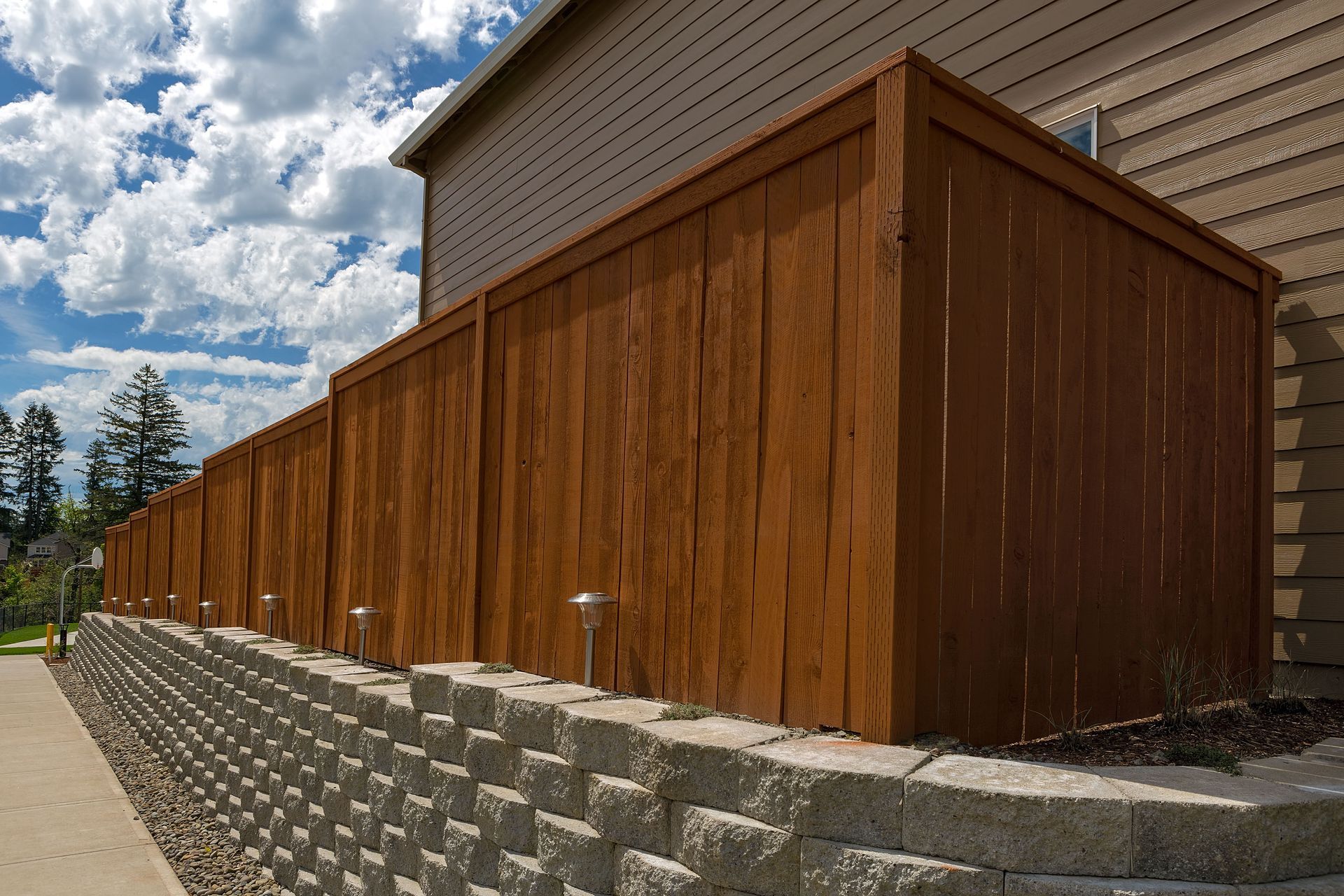
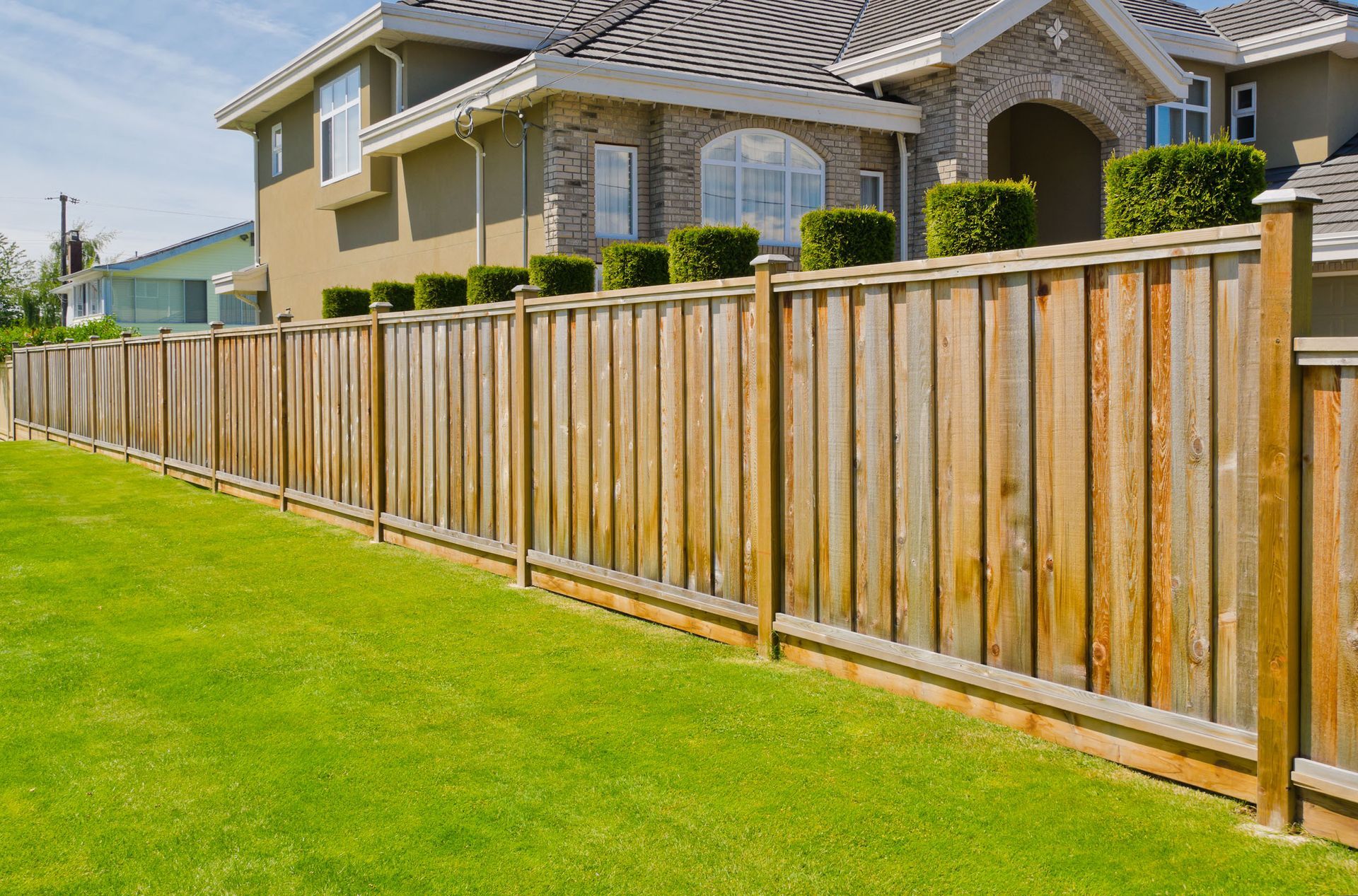
Every yard has specific requirements that dictate the best material. If you have a busy street nearby, noise reduction and privacy are your top priorities. Cedar excels here. A solid wooden barrier offers privacy and absorbs street noise. It creates a secluded oasis where you can relax without feeling exposed to neighbors.
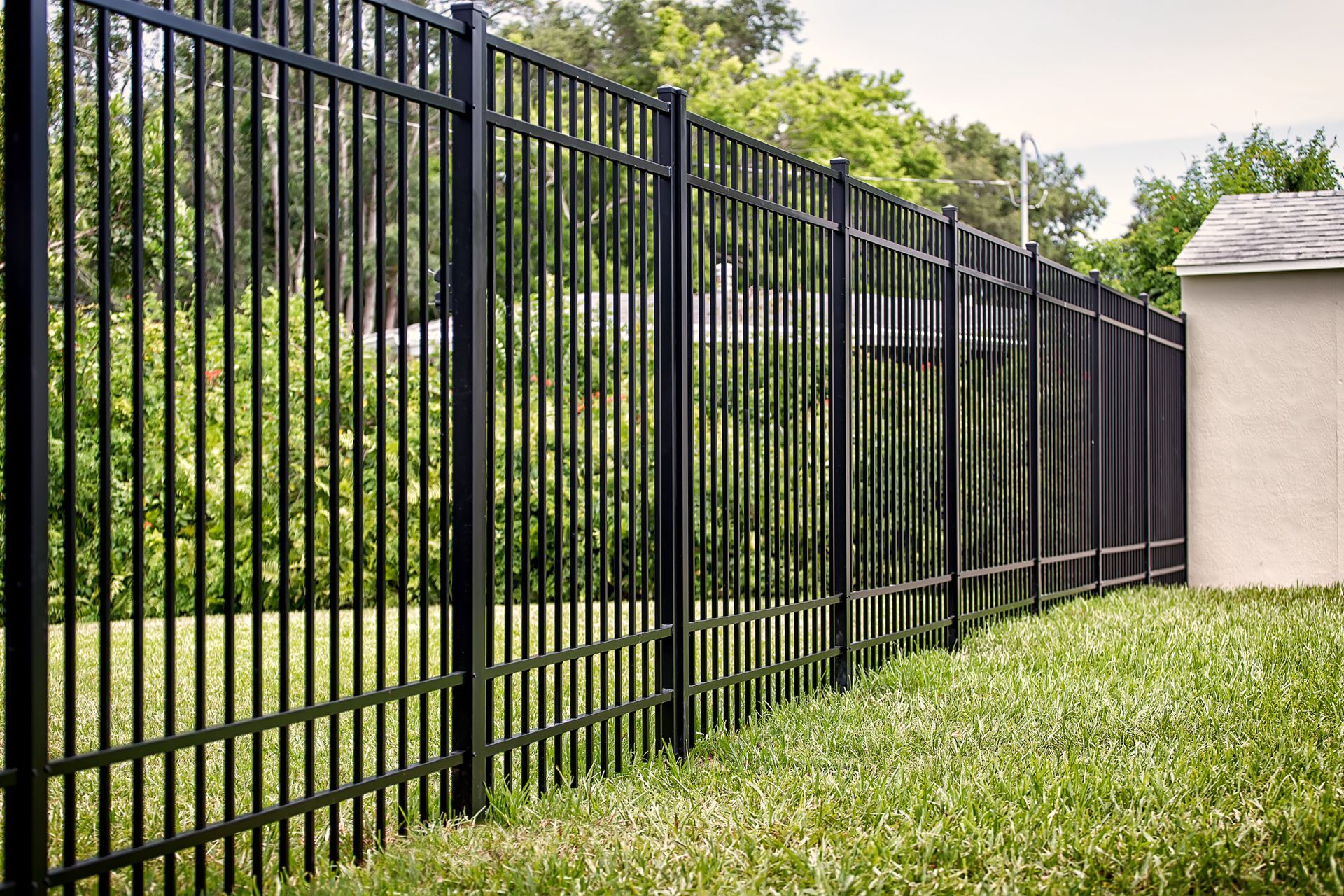
Some properties feature beautiful views you don't want to block. If your yard backs up to a lake or woods, aluminum is an excellent option. Spaced pickets allow you to secure your property while maintaining an open feel. Aluminum keeps children and dogs contained without creating a claustrophobic environment.
The physical layout of your land plays a huge role. Steep hills present installation challenges for rigid panels. Aluminum fencing often comes in panels that follow yard slopes without leaving large gaps at the bottom. Cedar can step down a hill, but this requires more labor. A skilled fence company surveys your land to determine the best installation method.
You must consider local building codes before breaking ground. Many homeowners associations have strict guidelines regarding height and material. They might require wood for a uniform look, or ban it entirely due to upkeep concerns. Checking these regulations early saves you from expensive mistakes. Professionals ensure your project remains compliant with local requirements from day one.
Weigh Durability and Weather Resistance
When investing in home improvements, you want materials that endure. Cedar is naturally resistant to decay compared to other wood types. It contains natural oils that repel bugs and prevent rotting. However, it's still an organic material requiring regular maintenance. You must stain or seal it every few years to protect it from moisture.
Aluminum takes the lead for a hands-off approach. This metal doesn't rust like iron or steel. Manufacturers coat aluminum with a powder finish that resists chipping and fading. You can spray it with a hose once a season to keep it looking new. It stands up to heavy rain and heat without warping.
Climate variations heavily impact how materials age. In humid environments, wood absorbs moisture and swells. During dry spells, it shrinks. This expansion and contraction can loosen nails over time. Aluminum remains entirely stable regardless of humidity levels or temperature fluctuations. It's incredibly reliable for regions experiencing extreme weather shifts throughout the year.
Your return on investment depends on how well the material holds up. A deteriorating barrier drags down property value. Maintaining the structure preserves its financial benefits. According to Fixr, a new fence offers an ROI of 50% to 70%, depending on the material. Partnering with a reputable fence company guarantees proper installation to maximize your financial return.
Match Materials to Your Visual Aesthetic
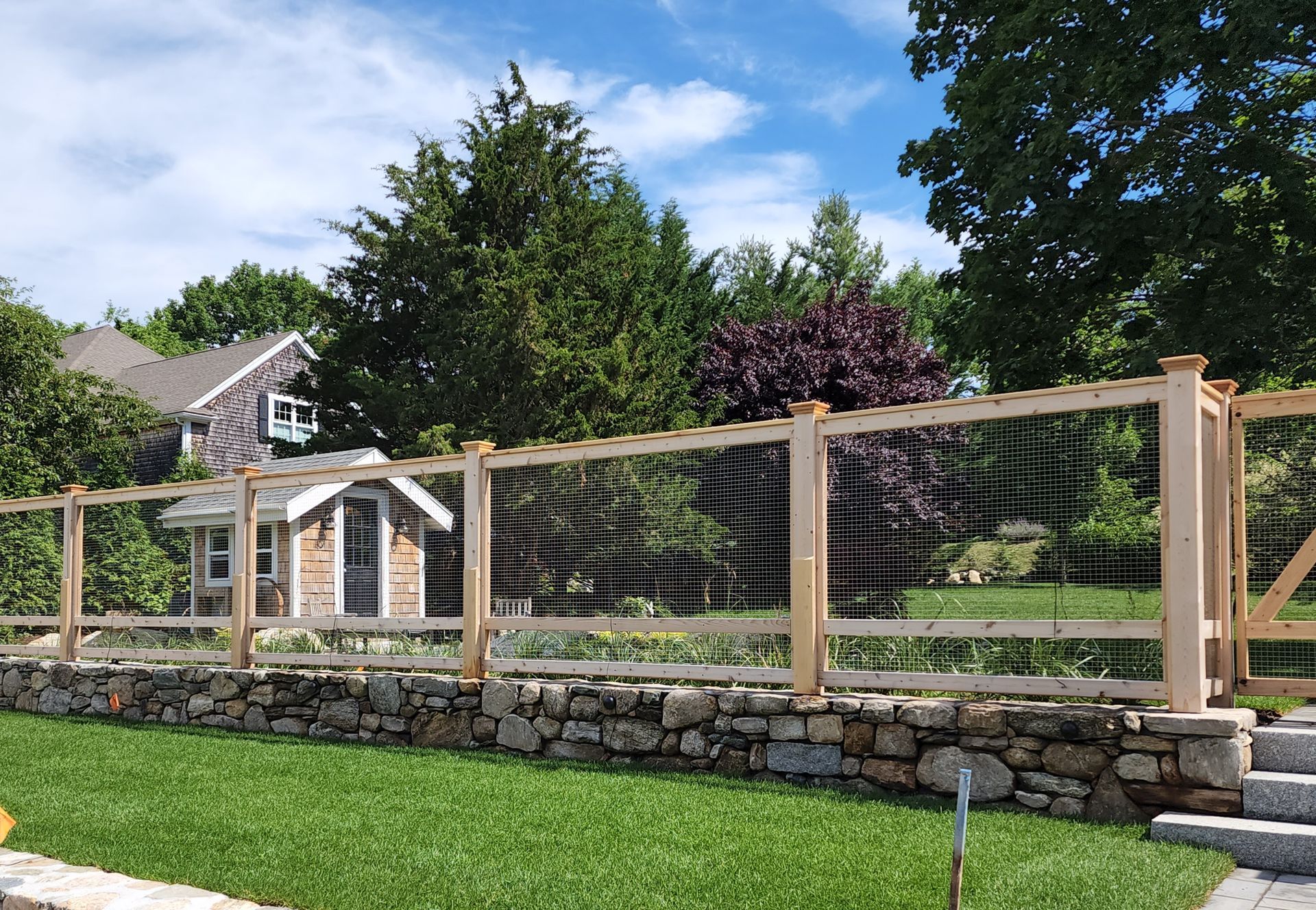
The right barrier does more than secure your yard. It frames your property and sets the exterior design tone. Cedar provides a warm and inviting look. It fits perfectly with traditional homes and gardens. The natural grain pattern adds texture that synthetic materials can't replicate. Over time, untreated cedar weathers to a charming silver-gray.
Conversely, aluminum delivers a clean appearance. It pairs beautifully with modern architecture and contemporary landscaping. The slim profile provides security without overpowering your home. Most manufacturers offer black, bronze, and white finishes. Black aluminum is highly popular because it blends into the background, allowing landscaping to take center stage.
Customization options differ significantly. Wood is highly versatile. You can cut it into custom shapes and build intricate lattice tops. You can also paint it any color to match your exterior trim. Aluminum is more restricted in profile designs. You generally choose from fabricated styles, finding options with decorative finials or simple flat tops.
Blending both materials is an emerging trend. You might install a solid wooden barrier in the backyard for privacy. Then, use decorative metal along the front yard for curb appeal. A creative fence company can design a cohesive layout transitioning smoothly between materials. This hybrid approach caters to both functional needs and stylistic preferences perfectly.
Complement Your New Fence With Outdoor Accents
Once installed, you can integrate the perimeter seamlessly into your landscape design. Proper landscaping softens hard lines. Planting climbing vines against wood creates a beautiful living wall. You just need to ensure plants don't trap excessive moisture against the boards. Aluminum structures provide an excellent trellis for lightweight climbing plants like clematis.
Any experienced fence company knows that lighting is crucial for enhancing safety and aesthetics. Solar caps fit perfectly over standard posts. They cast a warm glow, defining your property line at night. You can install low-voltage spotlights to highlight architectural details. Good lighting deters trespassers while making your outdoor living space usable well into the evening.
Gates act as the welcoming point to your yard. Upgrading gate hardware elevates the entire project. Wrought-iron hinges add a touch of luxury to a standard wooden gate. For an aluminum setup, consider an arched gate design for a dramatic entrance. Ensuring the gate swings smoothly and locks securely prevents sagging over time.
Consider how the barrier interacts with hardscaping features. A warm wooden tone looks stunning next to a natural stone patio. Sleek black metal provides a striking contrast against a light concrete walkway. Aligning choices with existing decks creates a harmonious outdoor environment. The new addition should look like part of the original property plan.
Deciding between cedar and aluminum ultimately comes down to your personal priorities regarding privacy, maintenance, and style. Cedar offers unmatched natural beauty and complete seclusion, though it requires a commitment to ongoing upkeep. Aluminum provides a sleek, durable, and practically maintenance-free boundary that preserves your scenic views. Both materials hold immense potential to elevate your property value and enhance your daily outdoor experience.
Partnering with an experienced fence company is the best way to ensure your project is a complete success. They manage the heavy lifting, navigate local regulations, and provide expert installation that stands the test of time. By understanding your unique needs and exploring the benefits of each material, you can confidently choose the perfect option. Your yard will provide security, beauty, and peace of mind for many years to come.
If you're ready to transform your yard with a new cedar or aluminum fence, reach out to our team at Armstrong Fence Co. Let our experienced fence company guide you through the entire process and build the perfect boundary for your home.
Share On: